3D Hull Reconstruction of a Historical Ship for Museum Exhibition
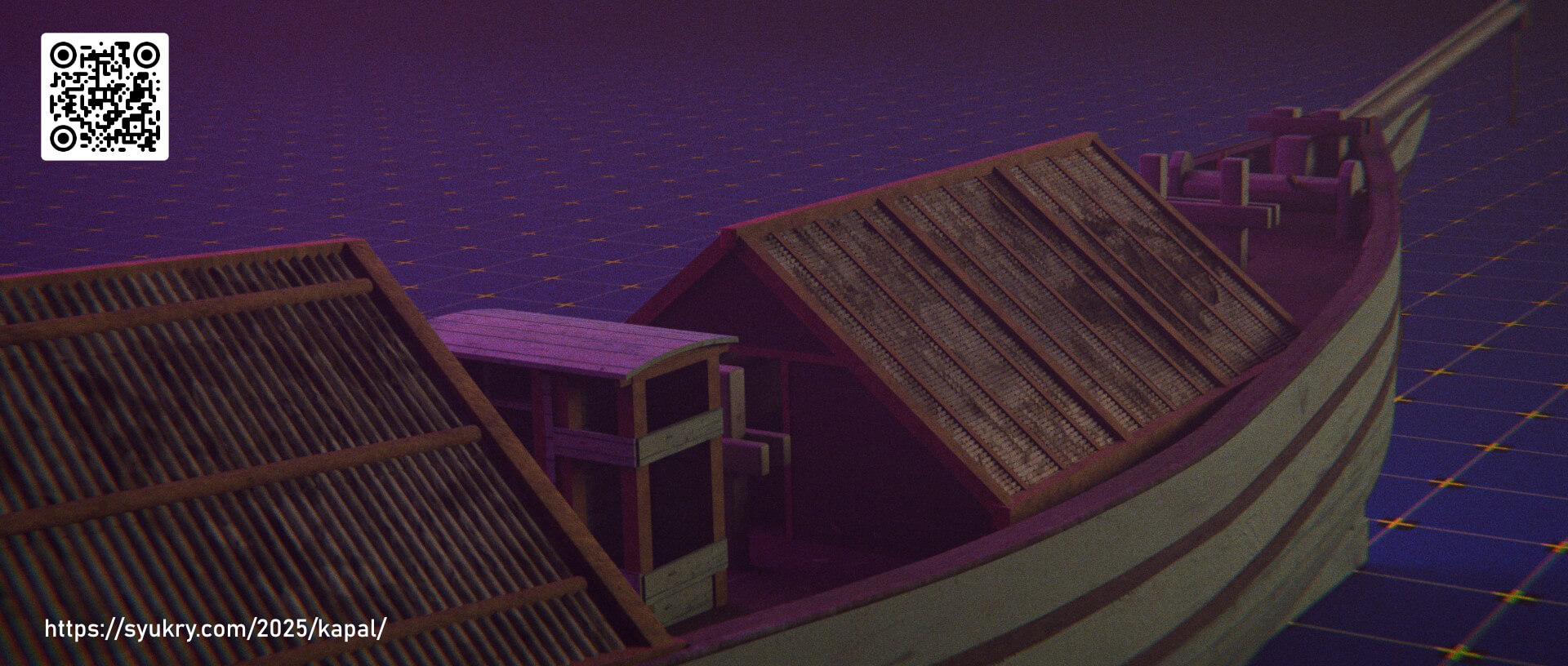
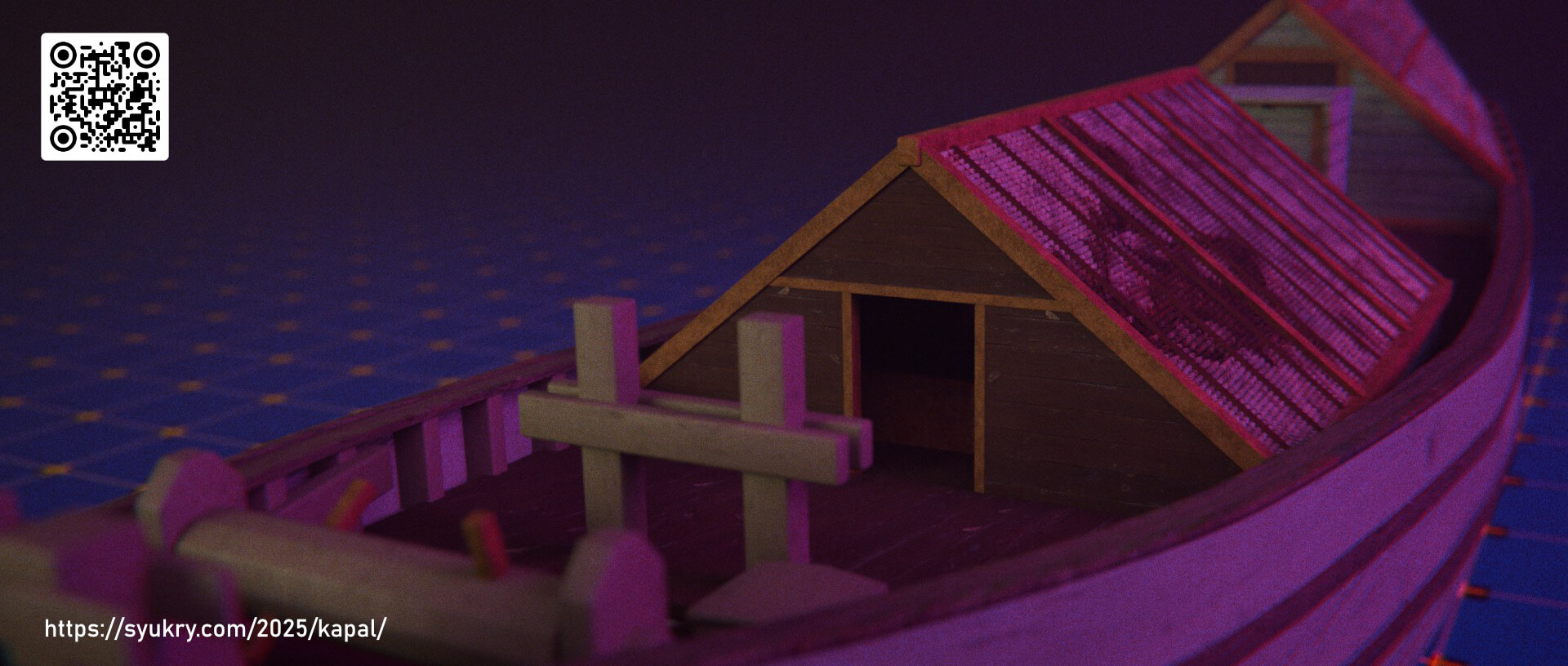
My work here involves conducting historical research and reconstructing the hulls of historical ships for museum reference. From these hull models, I derive lines plans, which are omitted here due to proprietary constraints. Below are several 3D renderings of the reconstructed ships that I’m allowed to share.
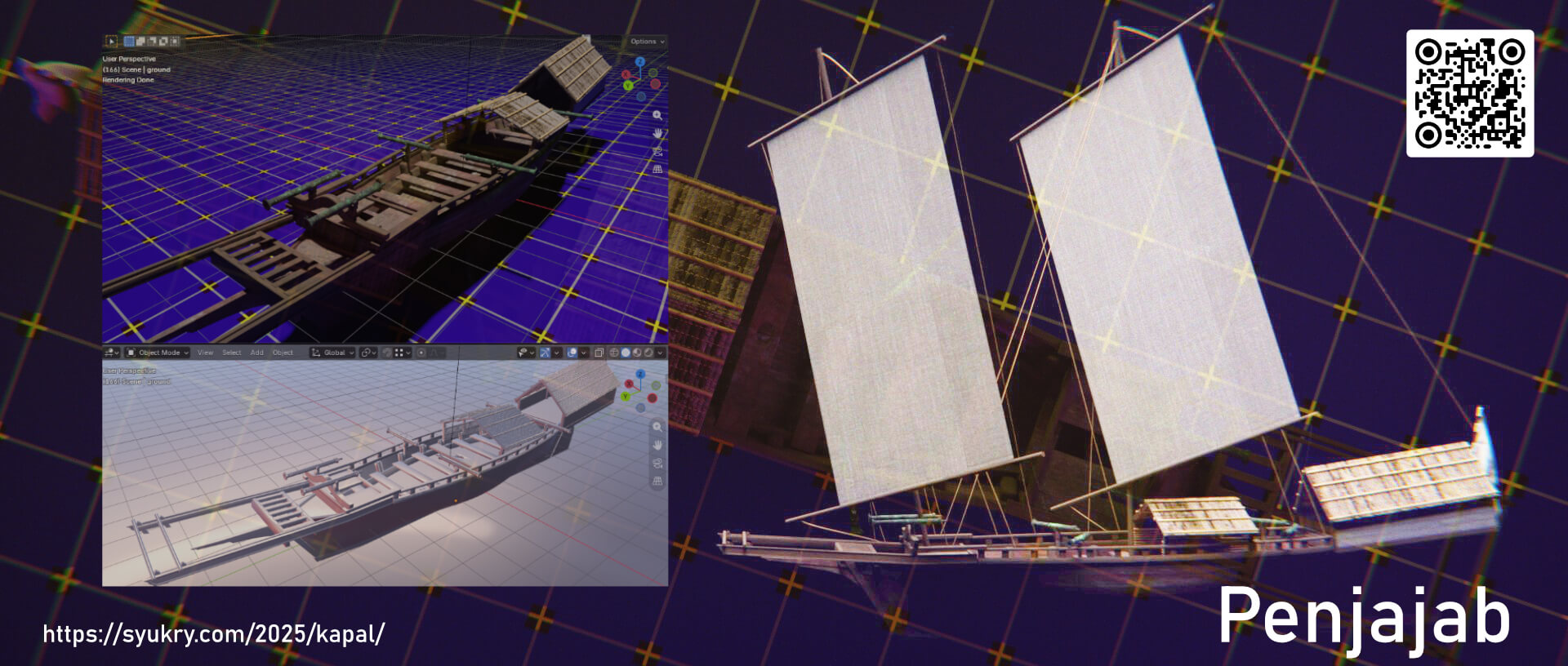
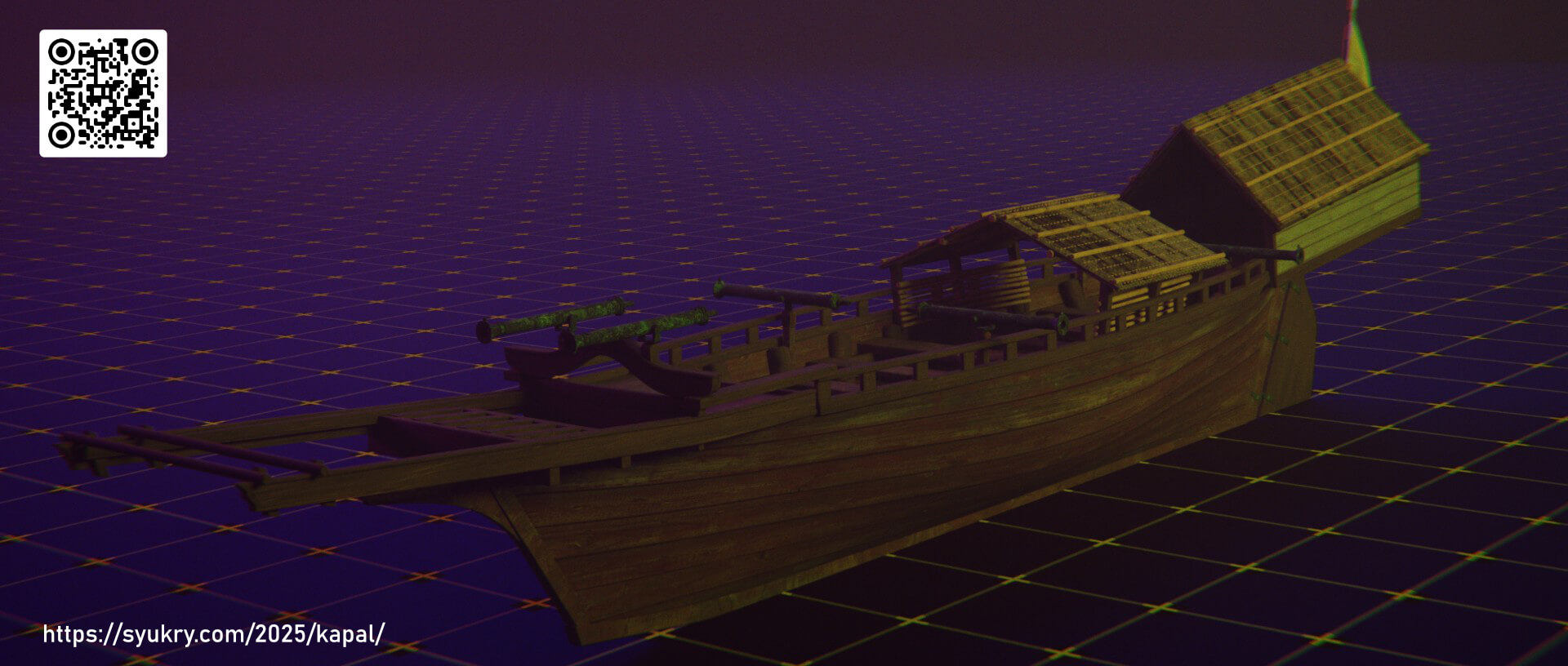
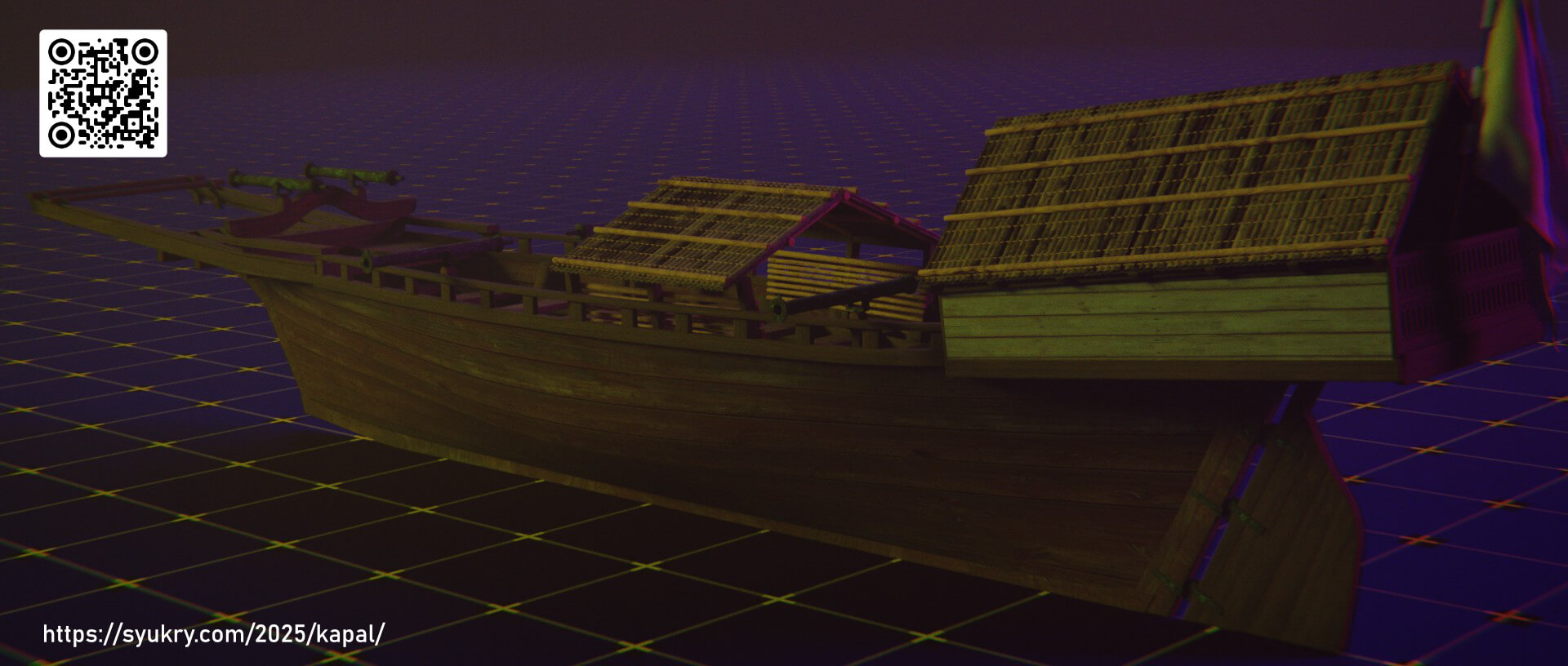



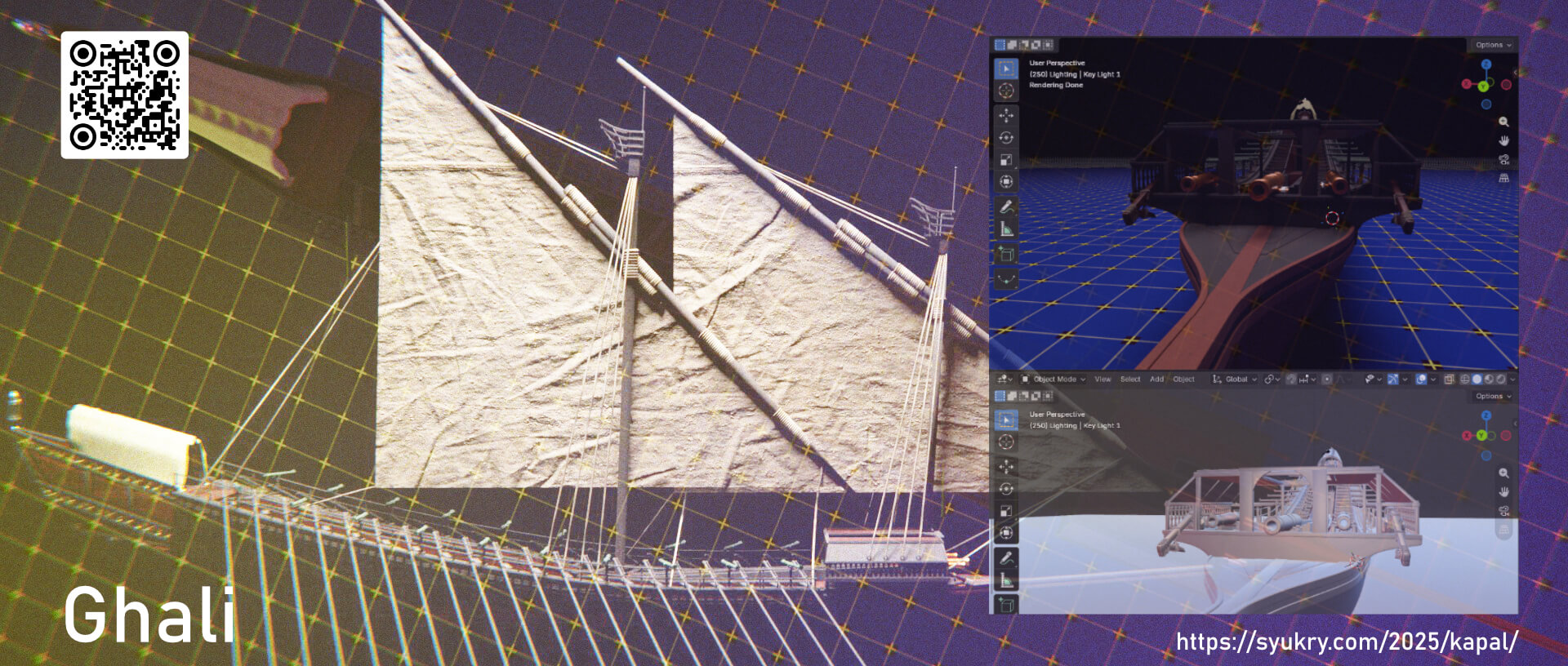
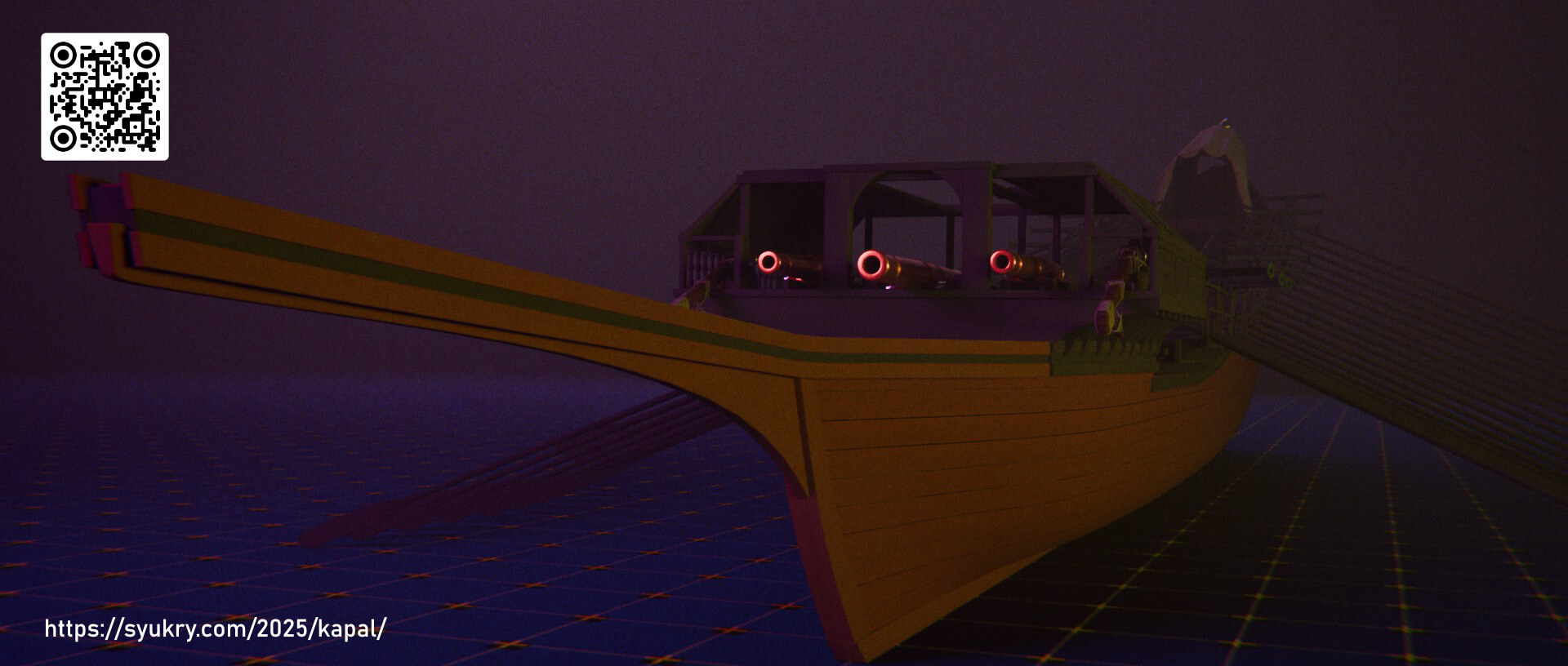
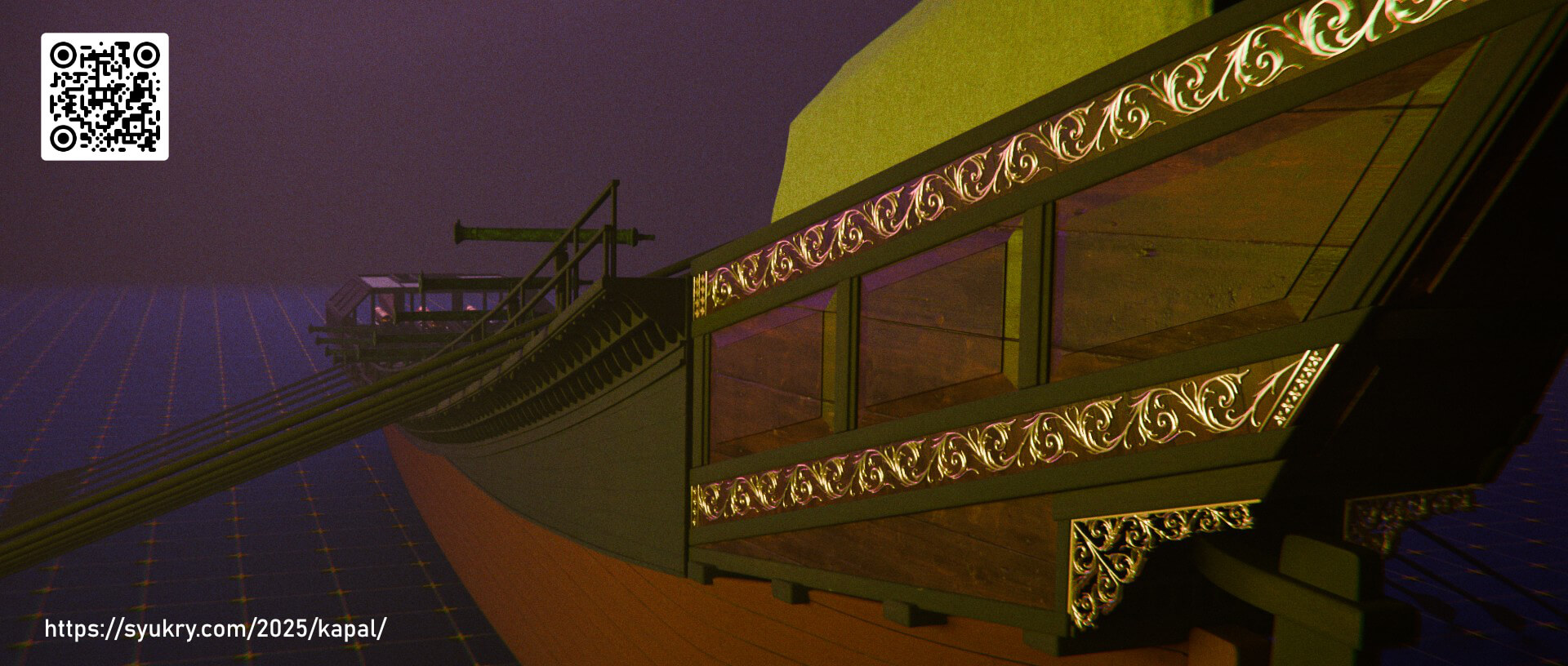
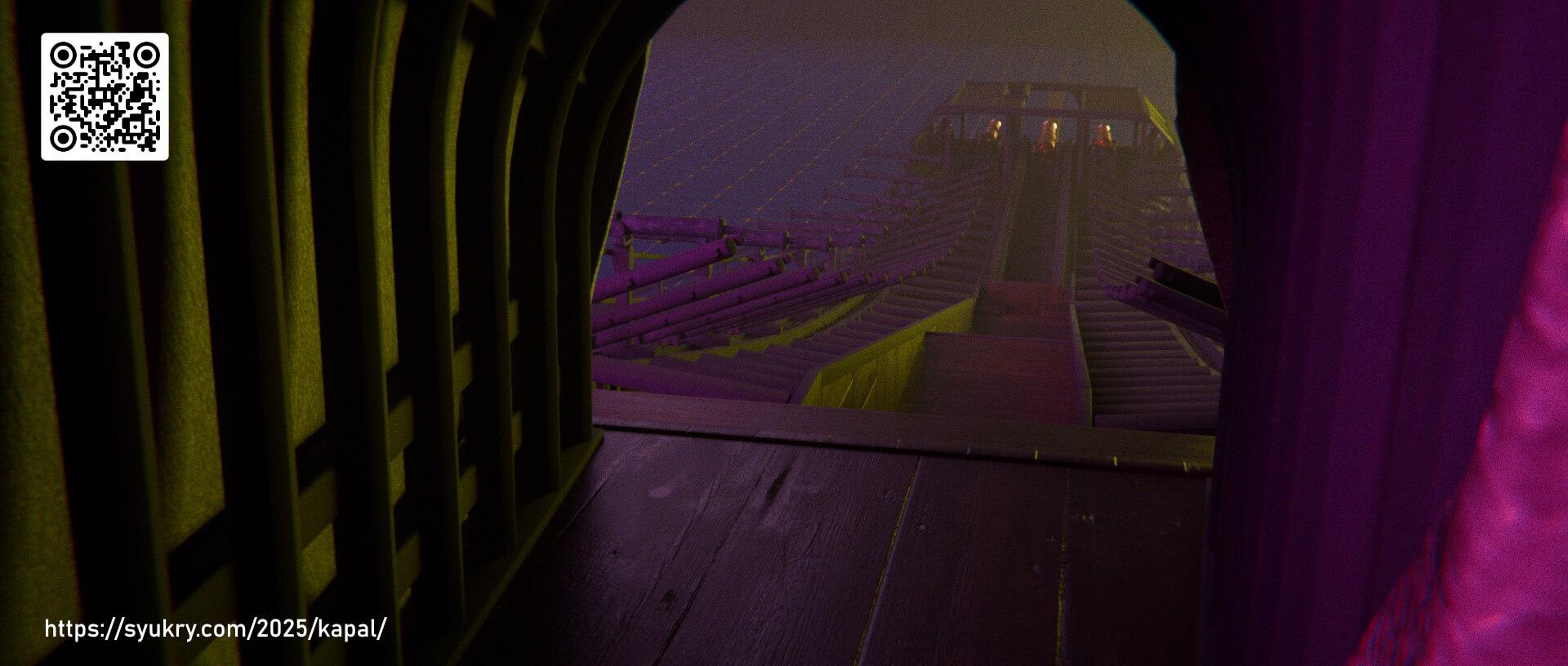
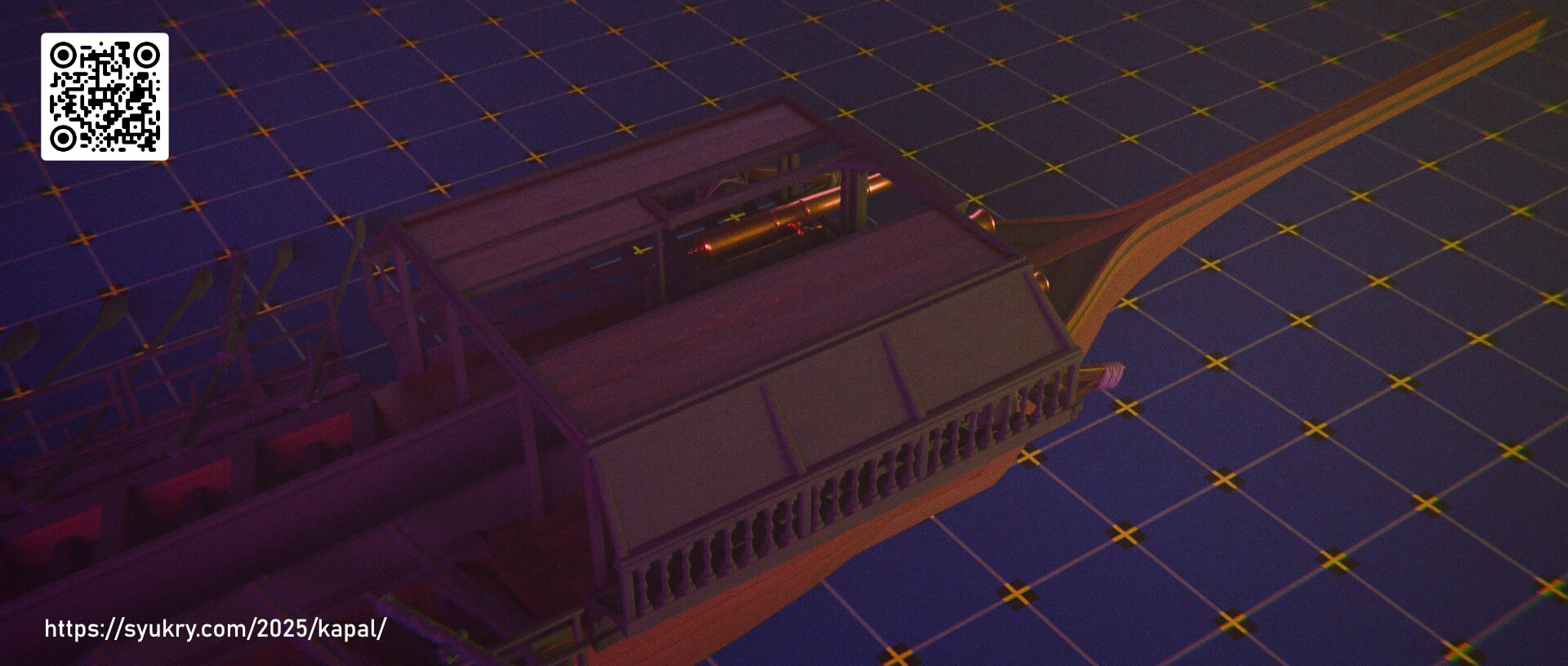

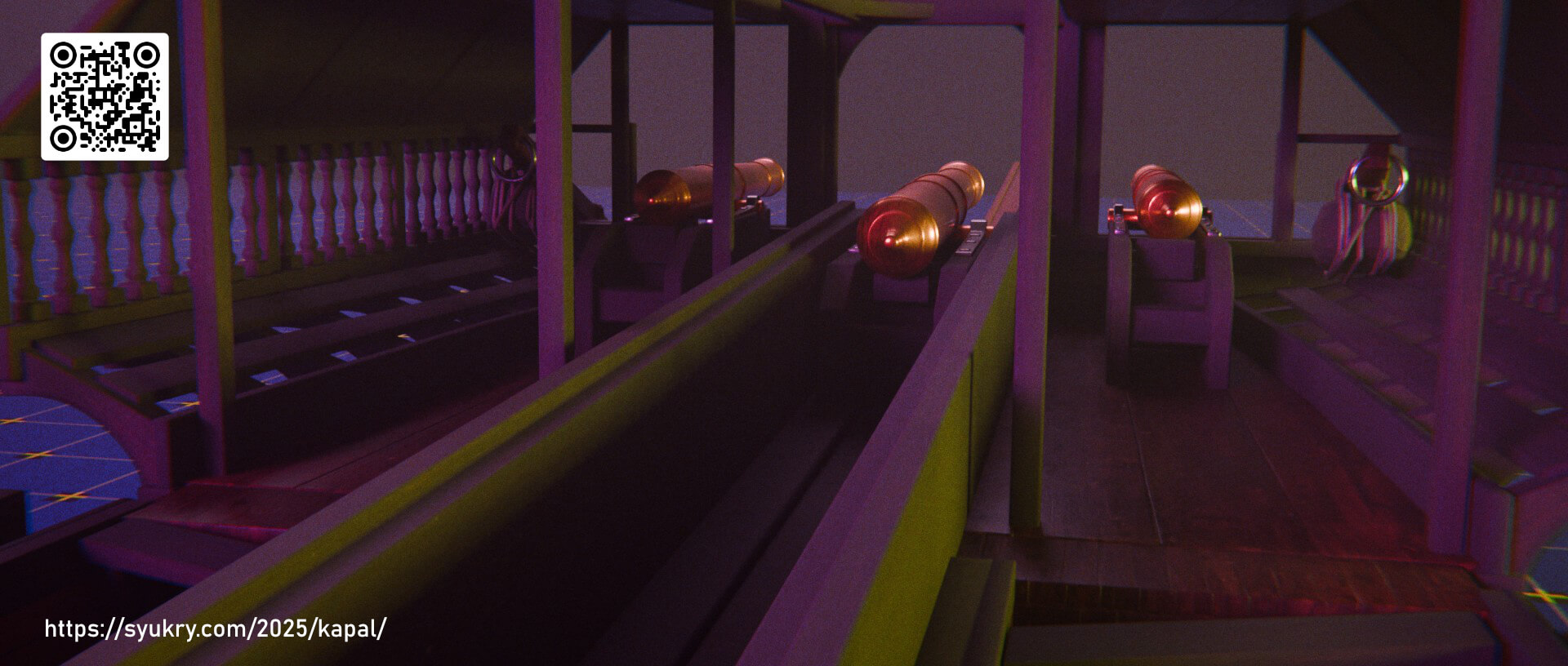
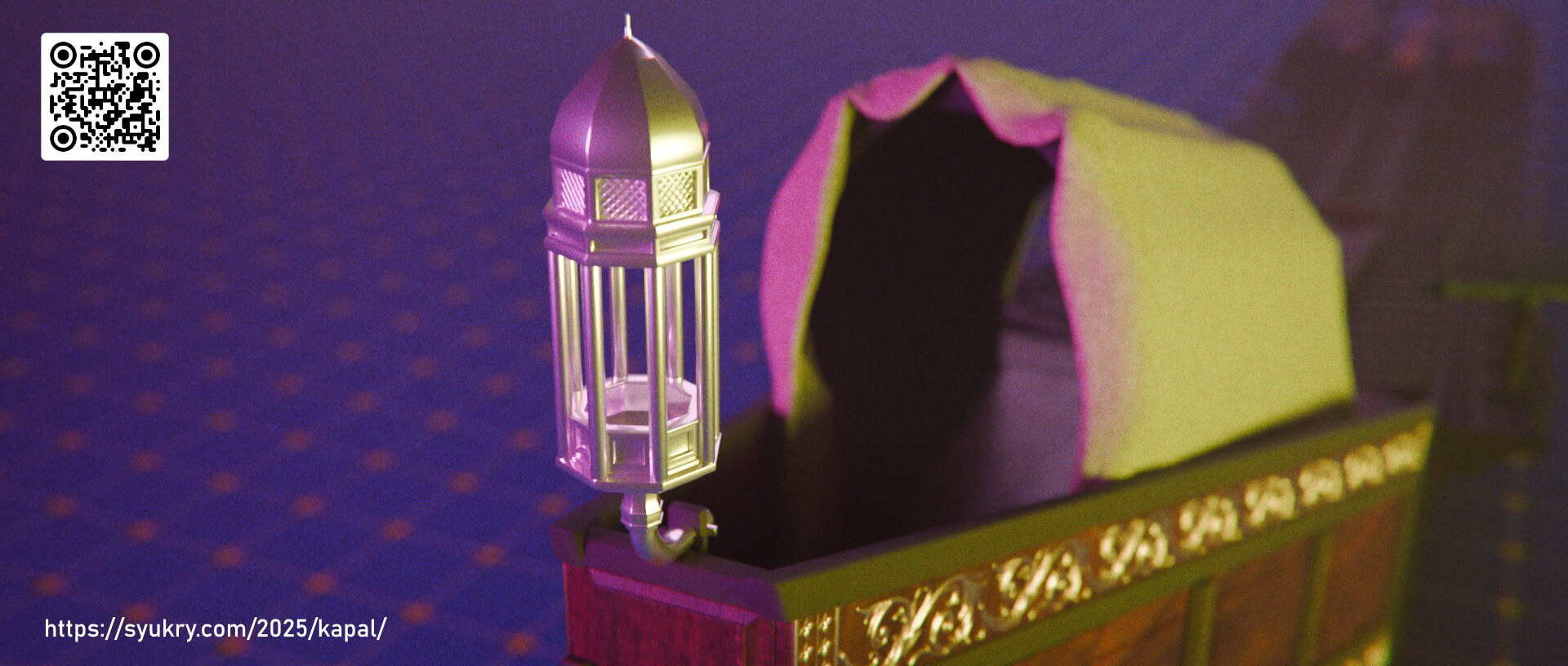
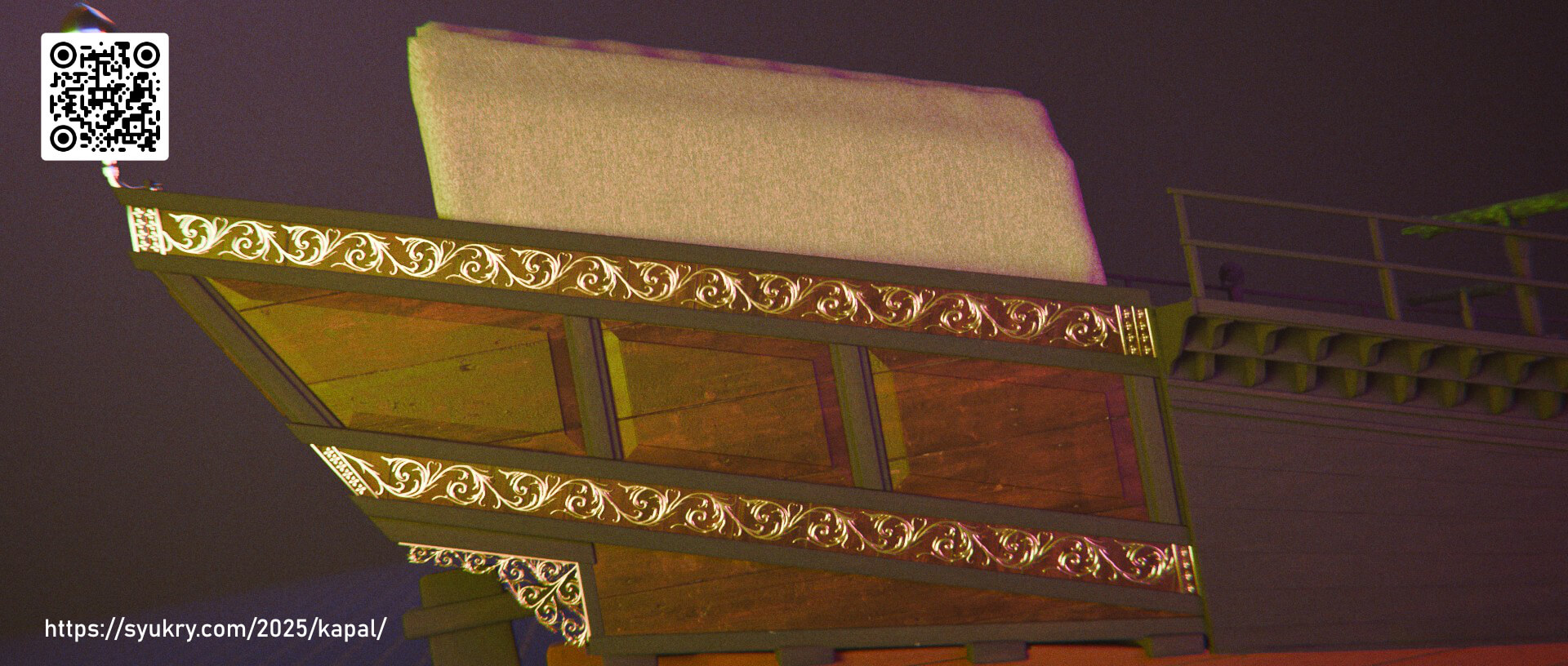
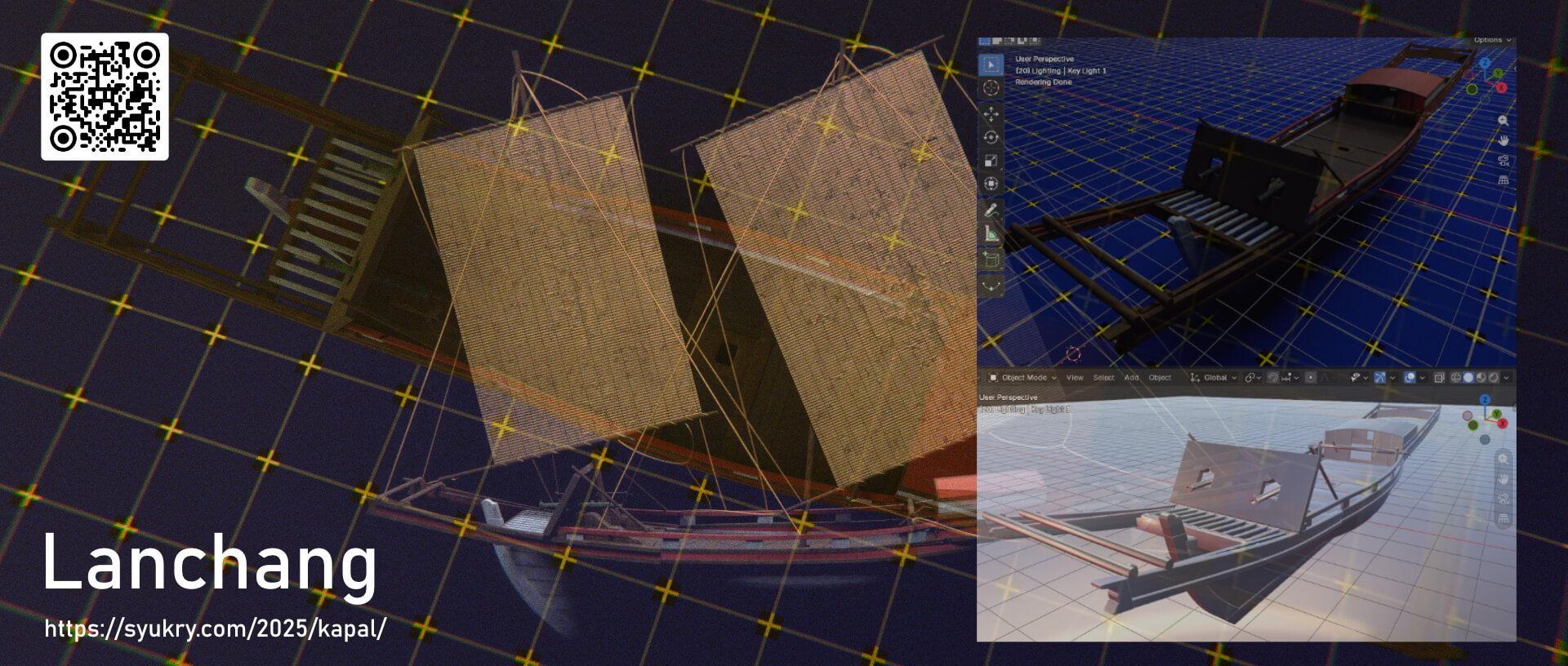
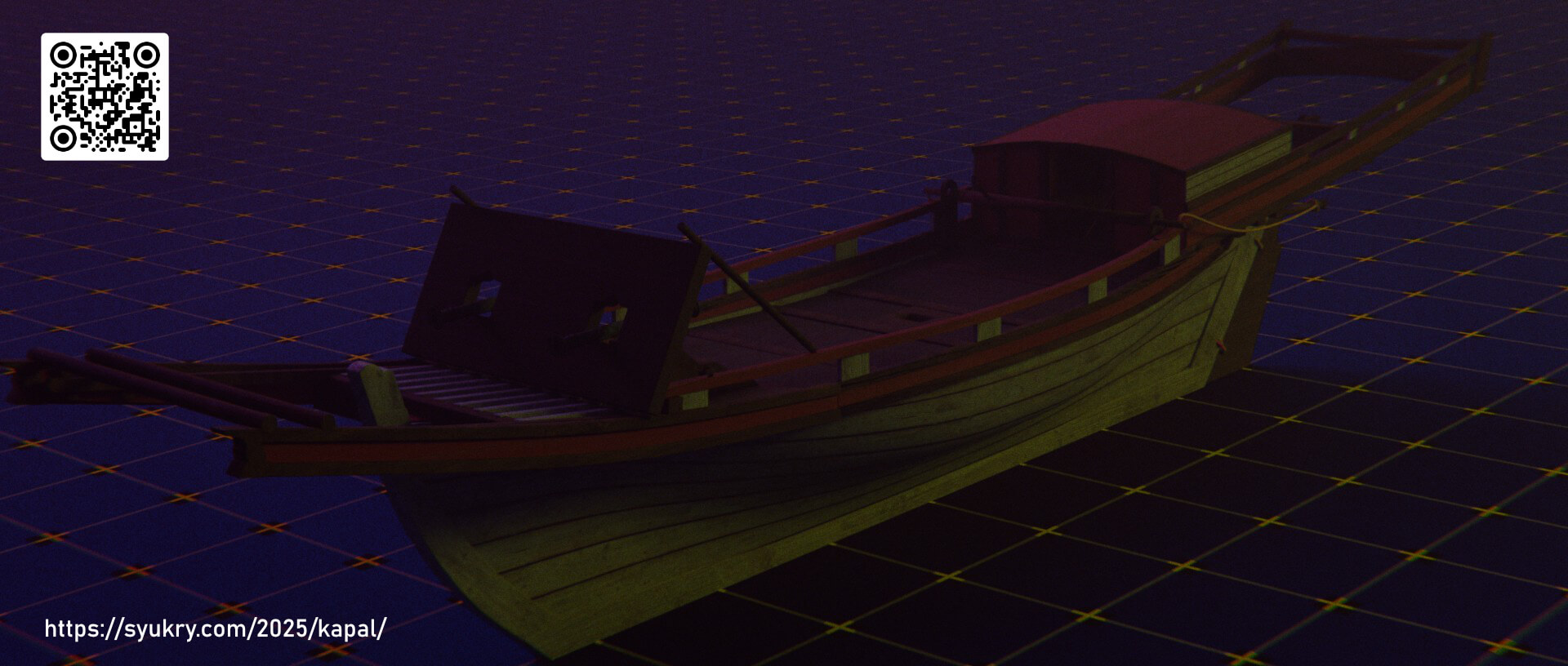
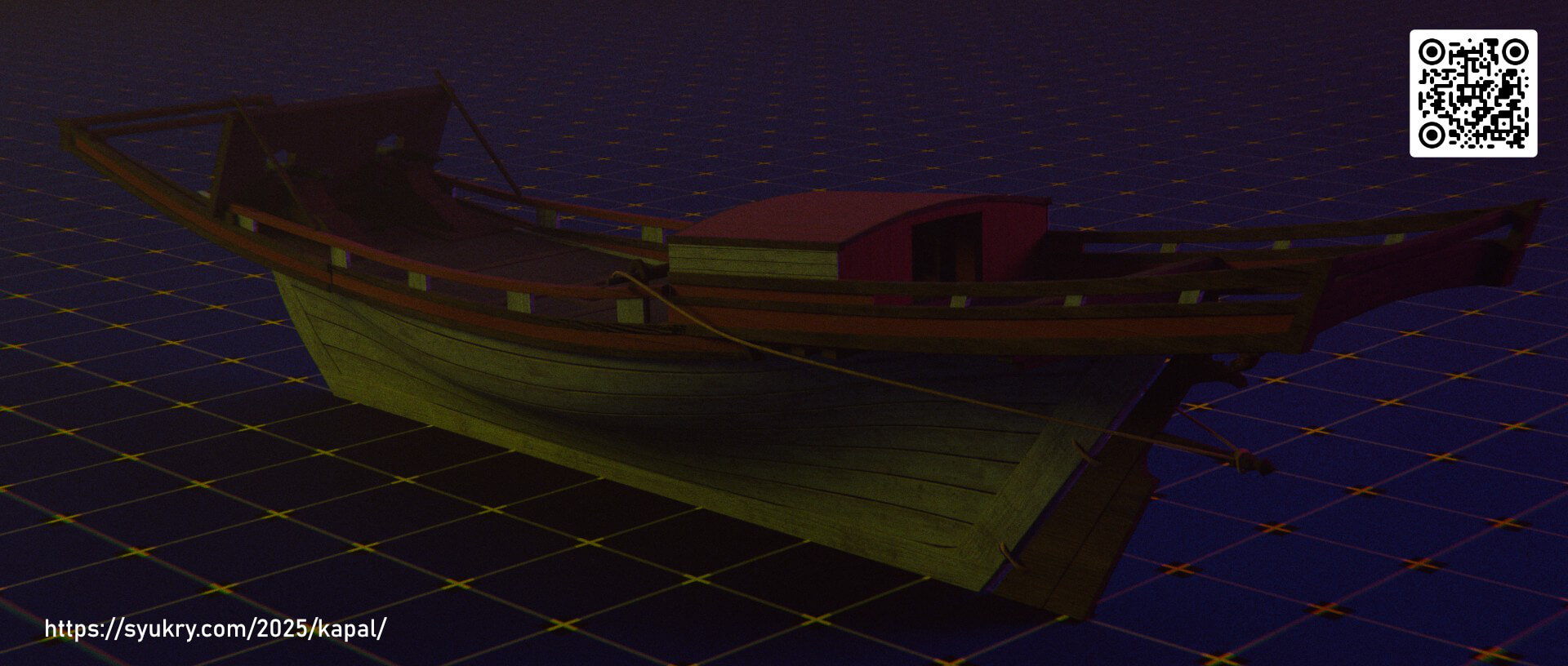
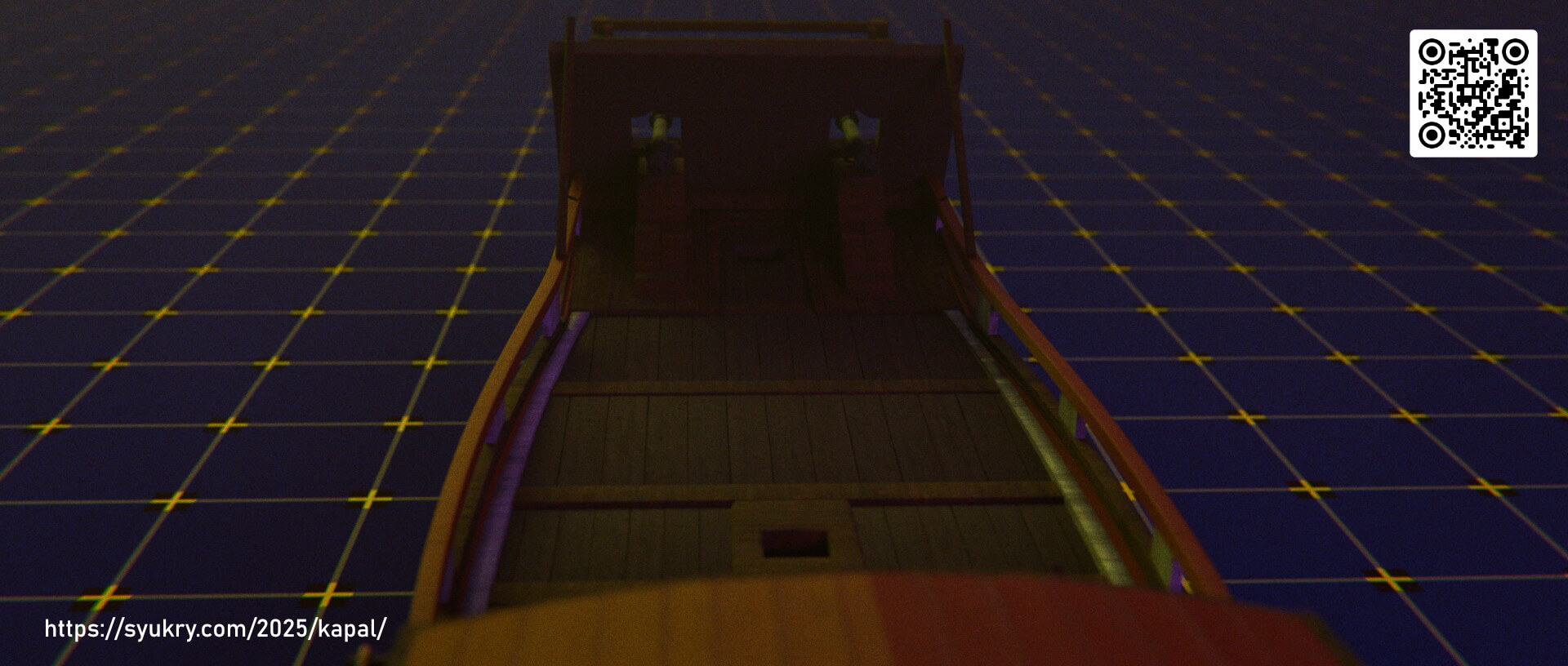
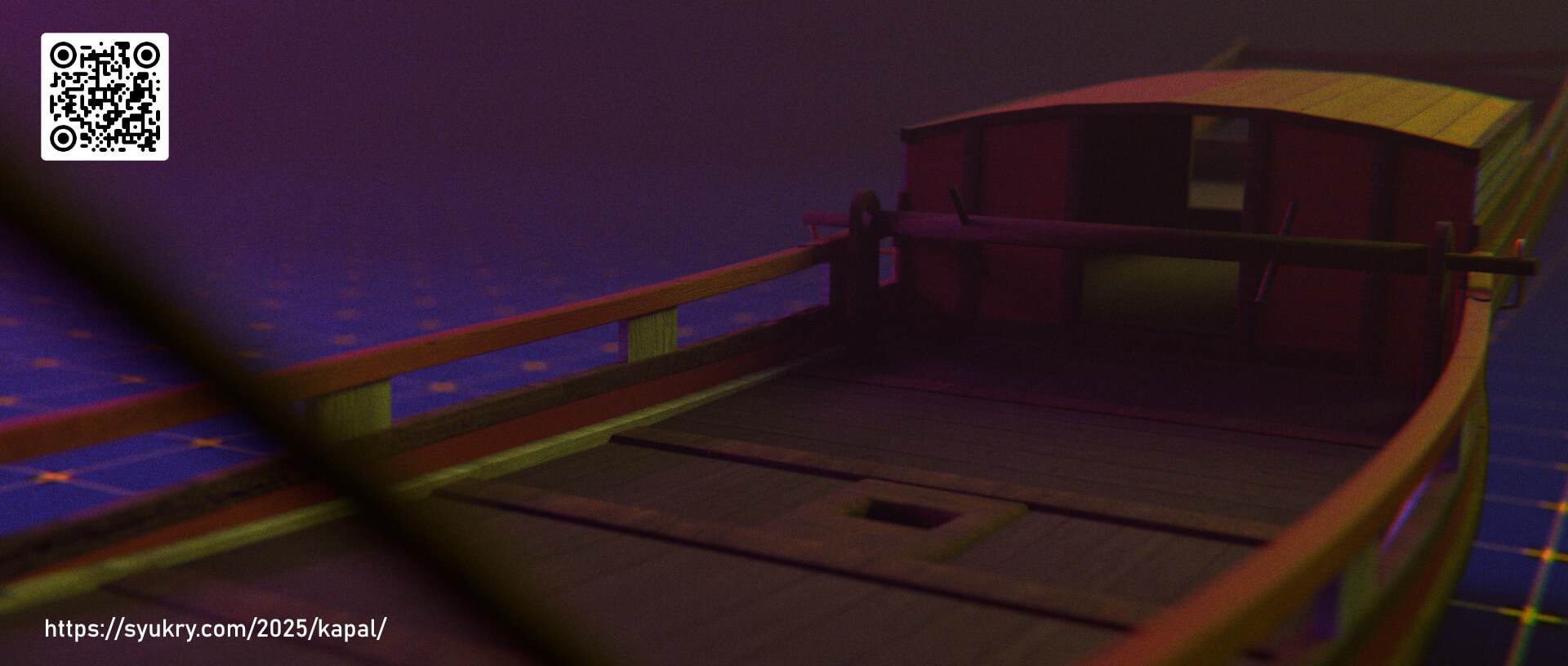
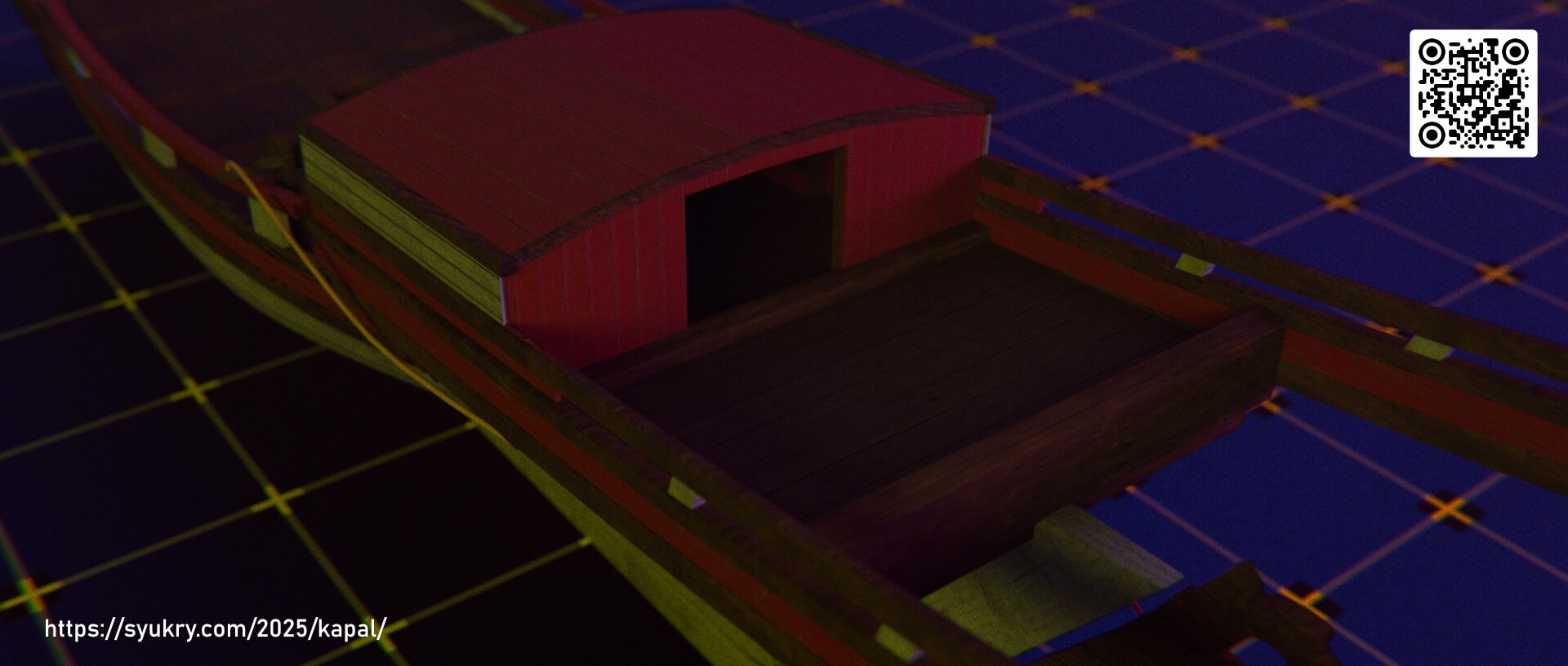
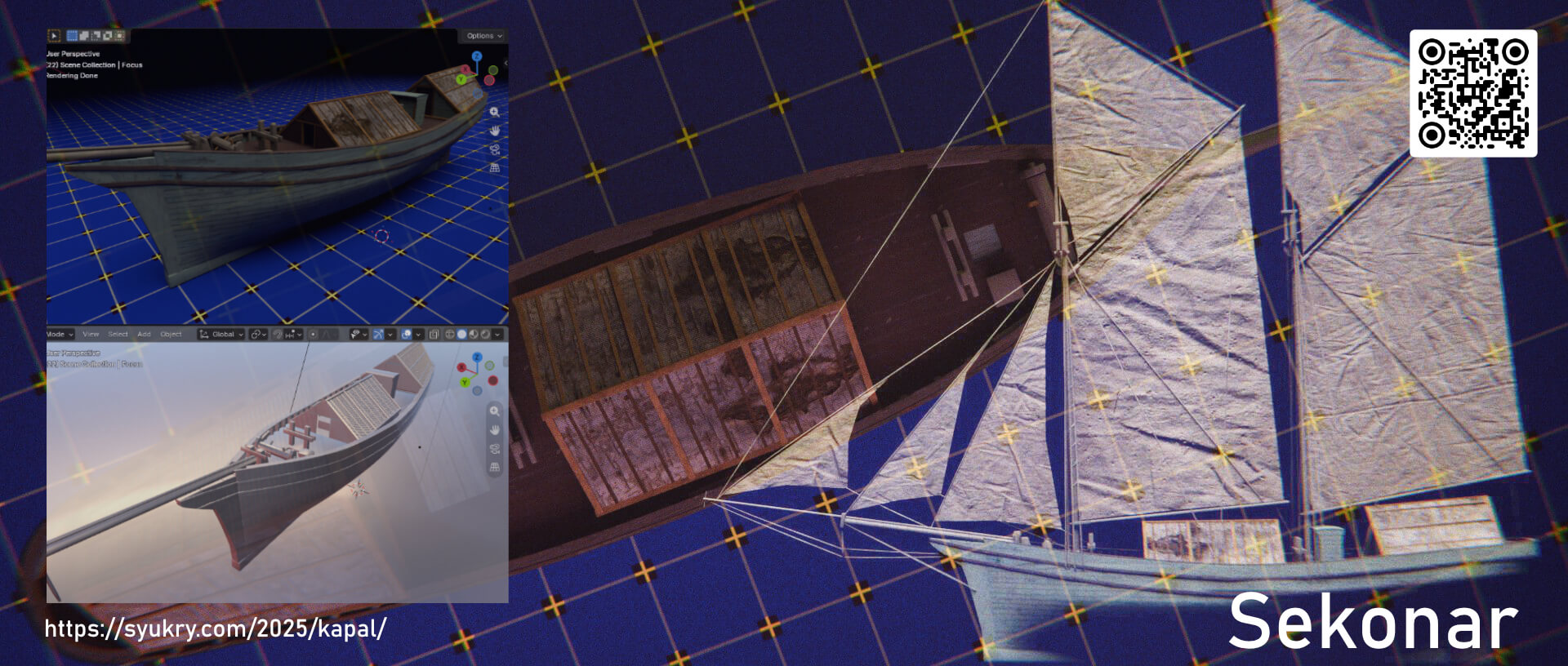
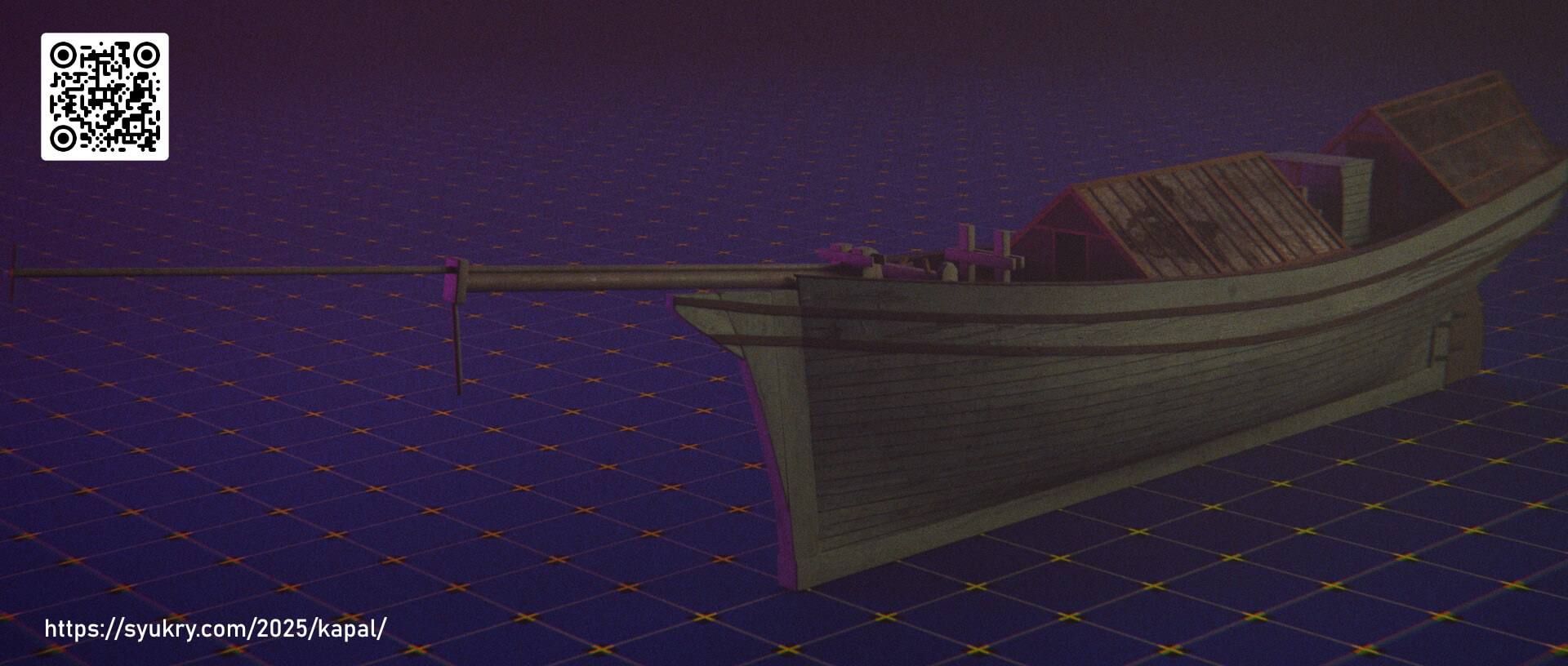
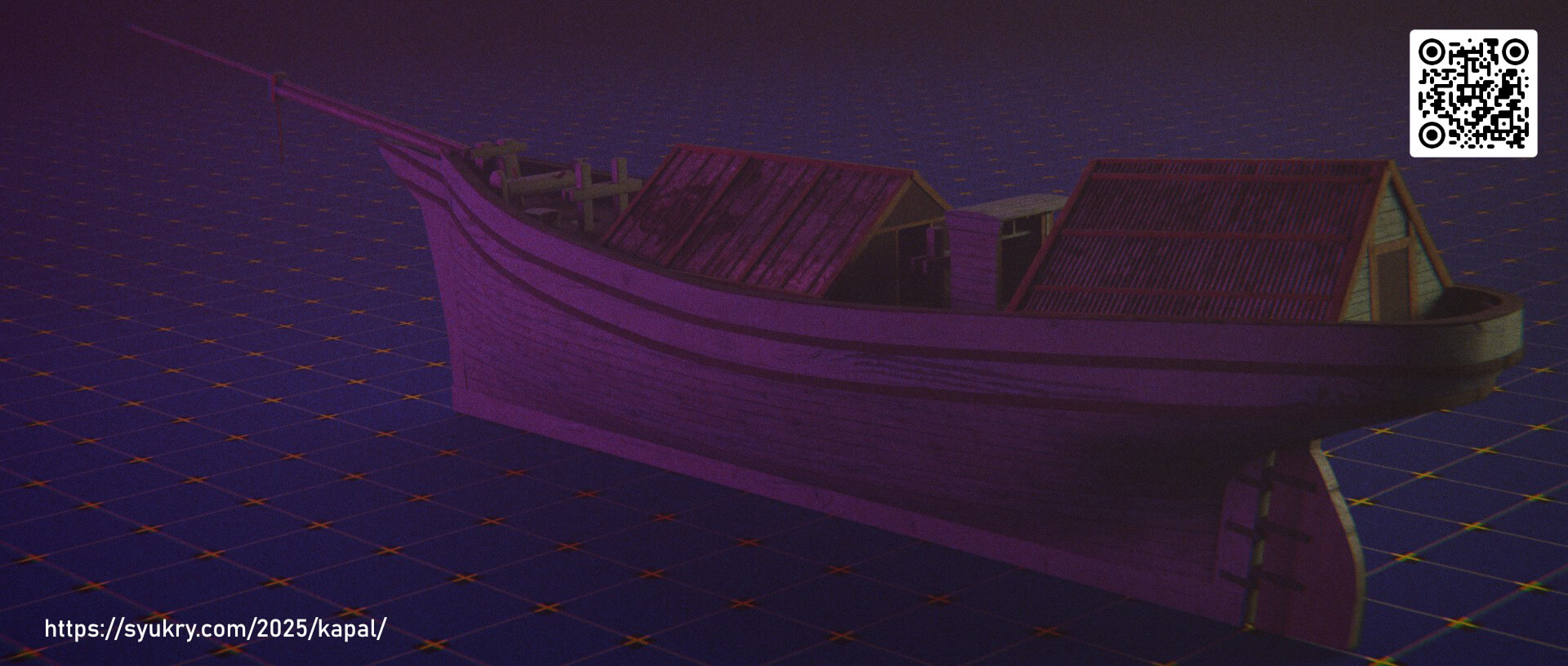
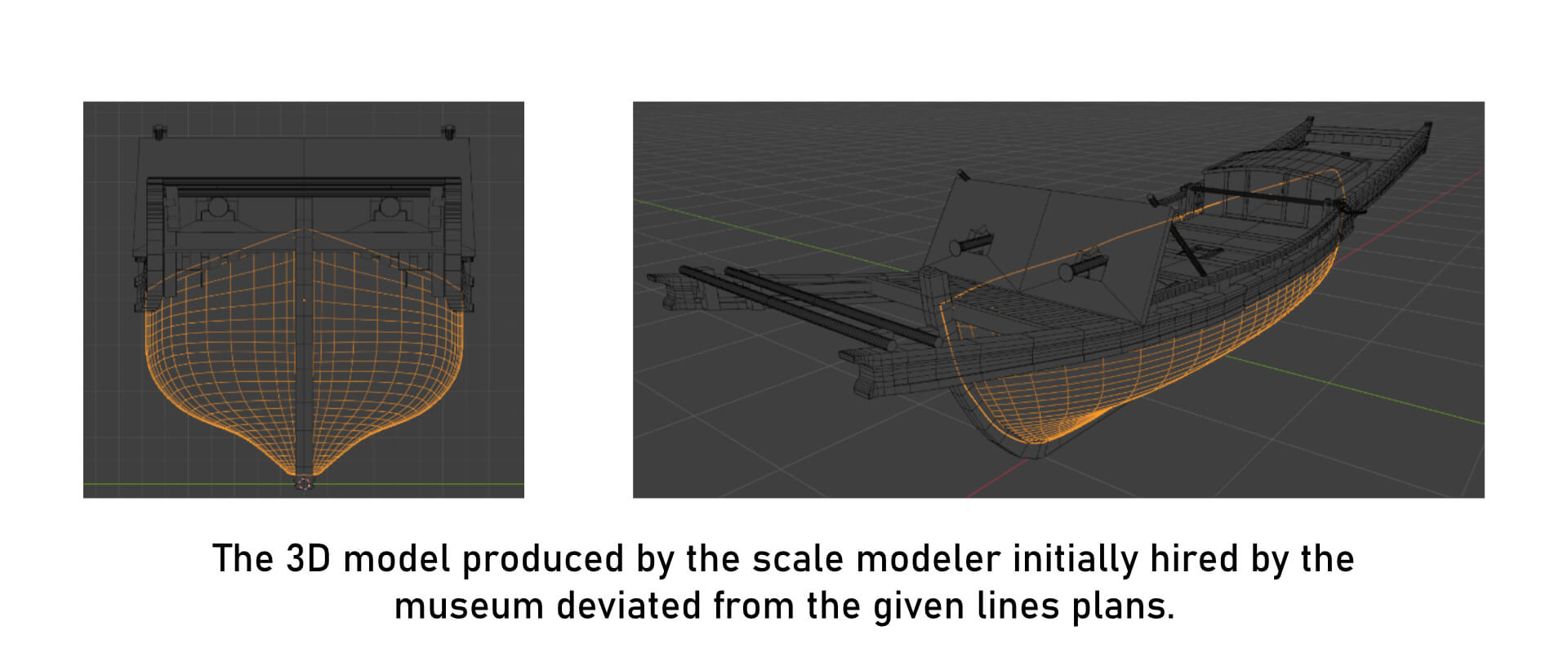
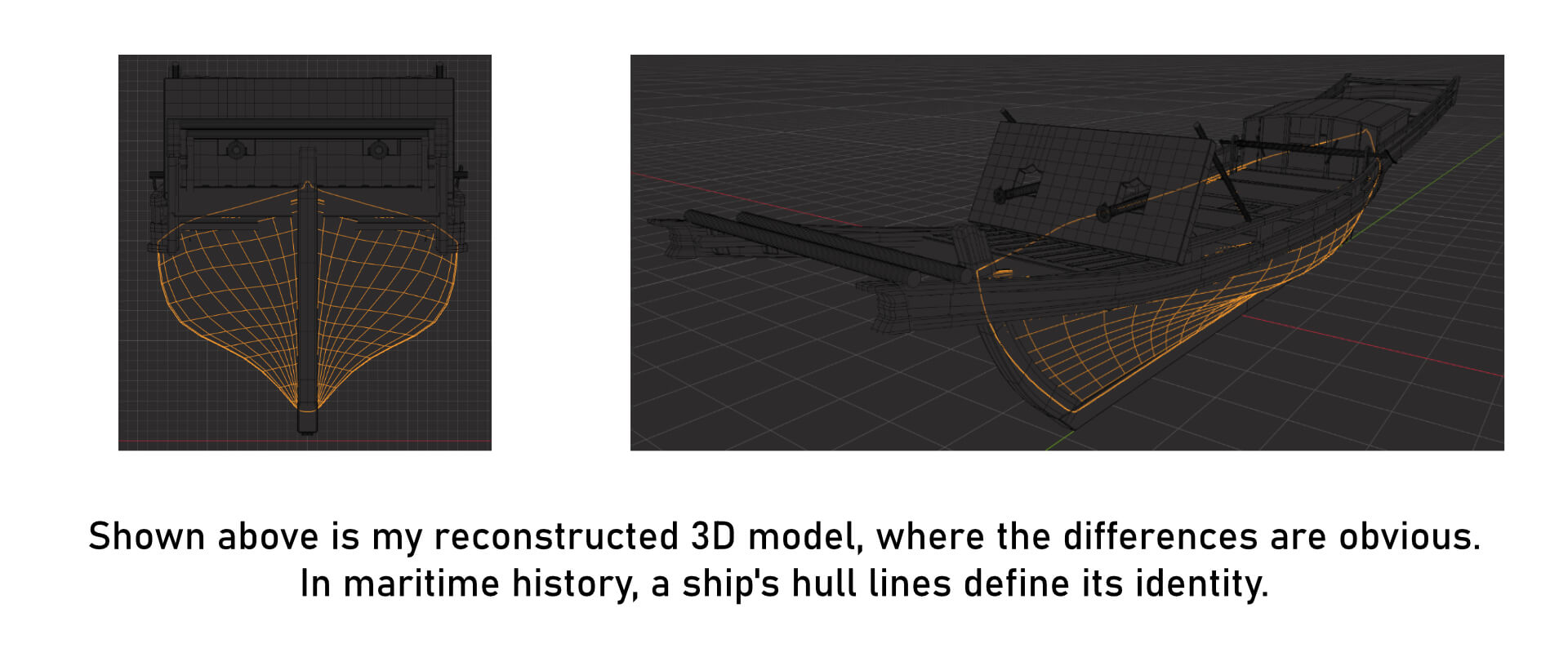
The initial project workflow relied on handing off 2D lines plans along with 3D visual references. However, when converting a complex 2D lines plan of a historical hull into a 3D model remotely, the scale modelers hired by the museum interpreted the drawings differently, resulting in noticeable differences in the hull’s shape. Since the lines plans alone weren’t enough for the receiving team, I began providing the source file as well to remove ambiguity and help ensure historical accuracy in the final build.
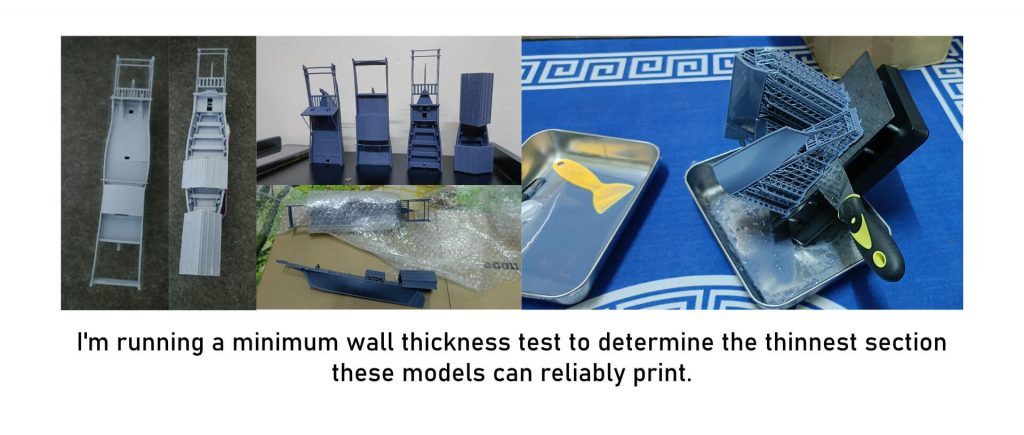
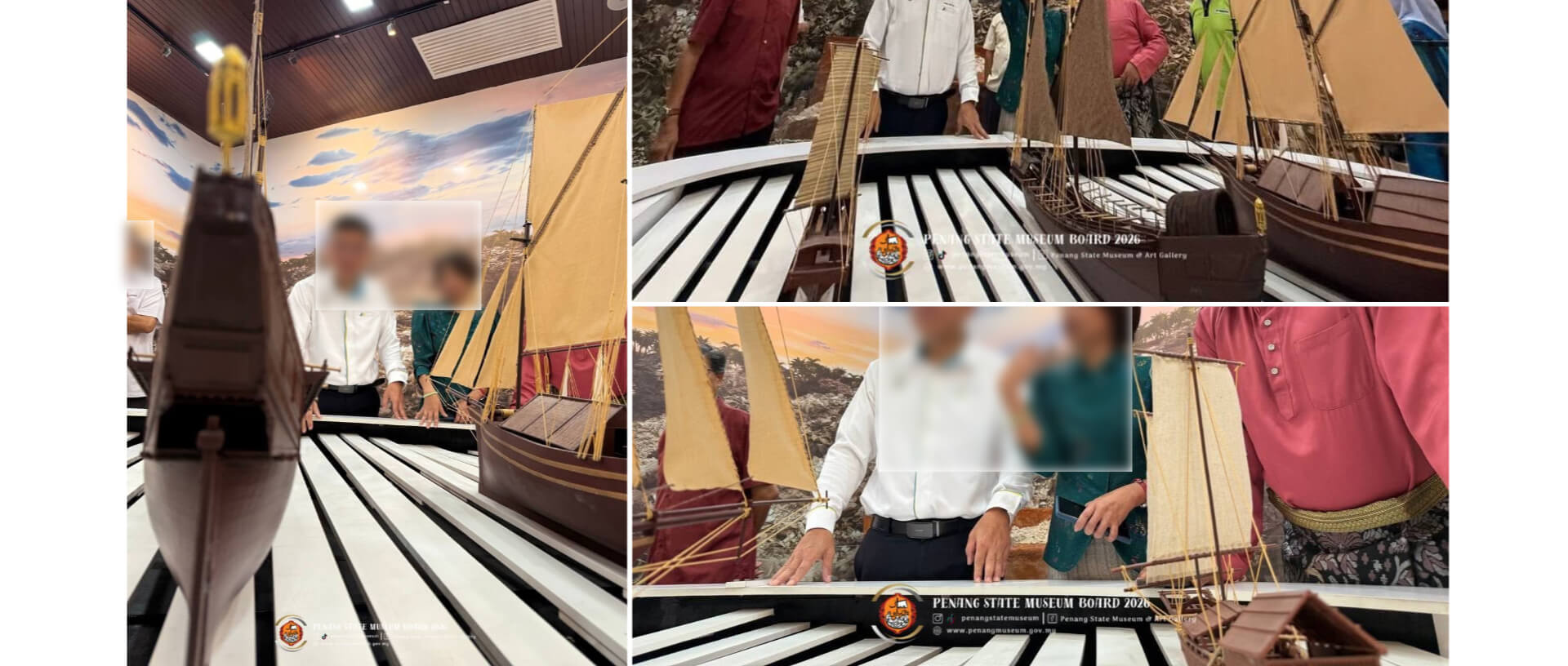
Below is a snapshot of the large-scale ship models printed by the museum team using my 3D files. The photos were taken during the recent Majlis Penyerahan Projek (Project Handover). The models shown are still in a preliminary finish and have not yet received their final paint.
To preserve historical accuracy, no generative AI (LLM-based) tools were used to create these 3D models.
A common question is, “Why not use AI?” While generative AI is excellent at creating new content, it is not yet reliable for reconstructing historical subjects. AI can invent details that never existed, mix features from different ship types, or produce incorrect proportions, resulting in historically inaccurate models. For museum work, where accuracy is the primary goal, these kinds of errors are unacceptable.
Another limitation is that AI learns by recognizing patterns in its training data. Historical ships, especially rare or unique vessels, have very limited reference material available, and many have no comprehensive datasets at all. Because of this, AI often lacks enough reliable information to produce an accurate reconstruction. Each historical ship must instead be researched and reconstructed individually using historical records and available evidence.